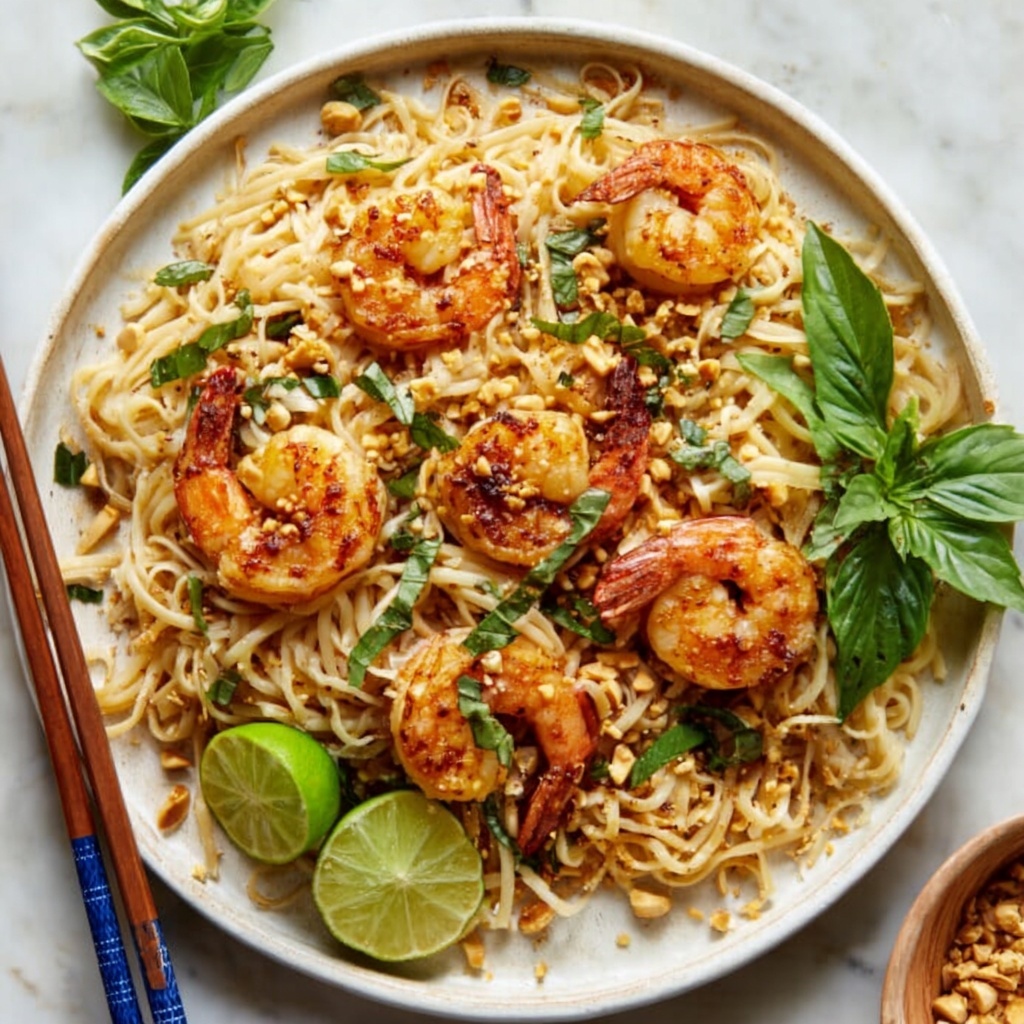
If you adore the vibrant flavors of Thai cuisine and crave something that feels both indulgent and fresh, this Garlic Butter Shrimp Pad Thai Recipe is the one you’ve been waiting for. It combines succulent jumbo shrimp sautéed in rich garlic butter with perfectly tender rice noodles, all tossed in a luscious sauce that balances sweet, salty, and spicy notes beautifully. The crunch of fresh bean sprouts and peanuts adds just the right texture, while fragrant basil and lime wedges brighten every bite. Trust me, once you dive into this dish, it will quickly become your go-to for a satisfying, restaurant-quality meal you can whip up in just 30 minutes.
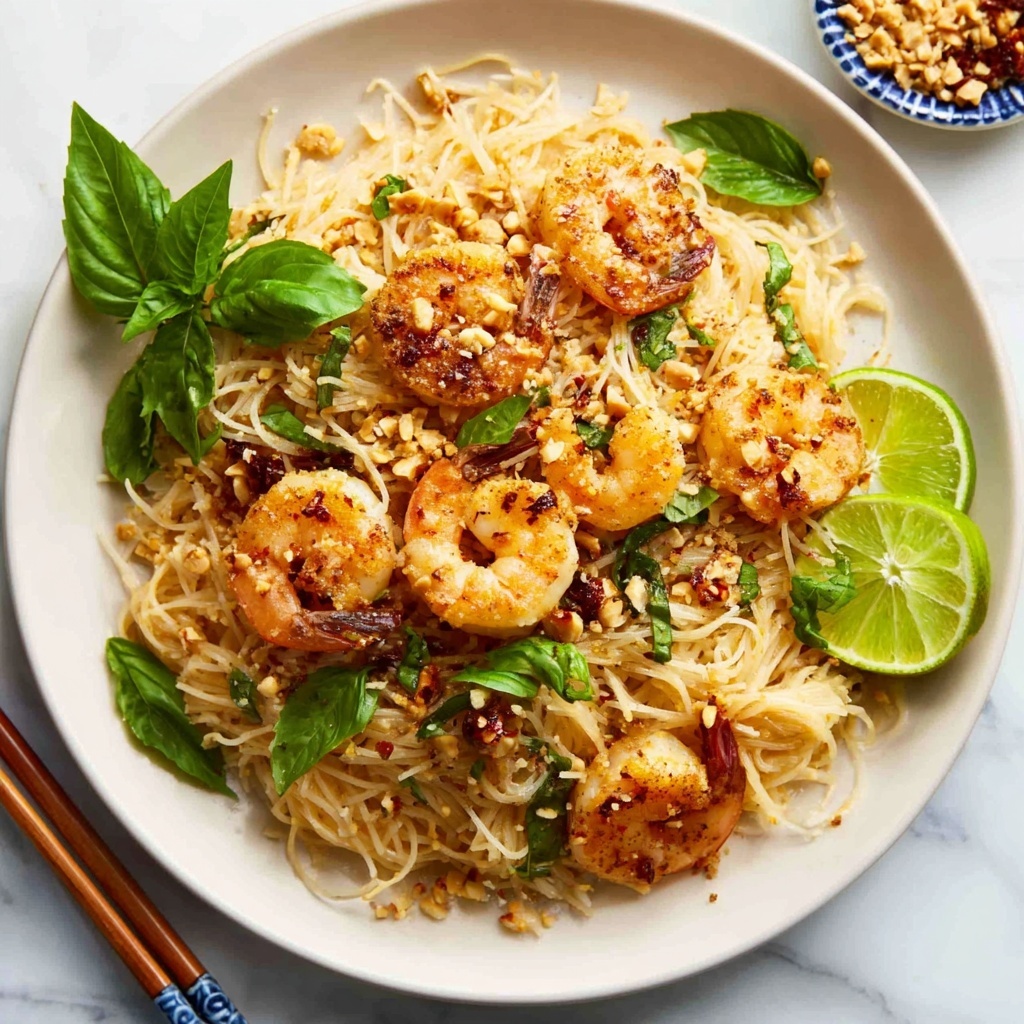
Ingredients You’ll Need
These ingredients might seem simple, but each one plays a crucial role in creating the authentic taste, appealing texture, and vibrant color that make this Garlic Butter Shrimp Pad Thai Recipe so irresistible. From the sticky rice noodles to the aromatic garlic butter, everything comes together perfectly.
- 8 ounces wide rice noodles: The chewy base that absorbs all the delicious sauce.
- 3-4 tablespoons low sodium soy sauce: Provides the salty umami backbone without overpowering.
- 2 tablespoons fish sauce: Adds that unmistakable depth of flavor essential to Pad Thai.
- 2 tablespoons white vinegar: Brings bright acidity to balance the richness.
- 3 tablespoons honey or maple syrup: Sweetens the sauce naturally and beautifully.
- 1/4 to 1 teaspoon chili flakes: Adjustable heat to add a subtle kick or more punch.
- 1 pound raw jumbo shrimp, peeled and deveined: The star protein, tender and garlicky.
- 3 tablespoons peanut oil or extra virgin olive oil: For perfectly searing shrimp while keeping flavors clean.
- 4-6 cloves garlic, finely chopped or grated: Infuses the butter with irresistible aroma.
- 3 tablespoons salted butter: Adds creaminess and richness that elevate this dish wonderfully.
- 2-3 eggs, beaten: Creates soft, fluffy bits that mingle with the noodles and shrimp.
- 2 cups bean sprouts or chopped baby bok choy (or other greens): For crisp, fresh texture and vibrant color.
- 4 green onions, chopped: Lends a mild onion flavor and fresh crunch.
- 1/4 cup roasted peanuts, chopped: Adds delightful nutty crunch over the finished dish.
- Thai or regular basil leaves: Bring aromatic herbal notes and freshness.
- Lime wedges: The bright citrus finish that wakes up every flavor.
How to Make Garlic Butter Shrimp Pad Thai Recipe
Step 1: Cook the Noodles
Start by preparing the wide rice noodles according to the package instructions. Usually, this means soaking or boiling until they are tender yet still have a bite. Once cooked, drain the noodles thoroughly and set them aside. The texture here is key because these noodles will soak up the flavors in the next steps.
Step 2: Whisk Together the Sauce
In a small bowl, combine the soy sauce, fish sauce, white vinegar, honey or maple syrup, and chili flakes. Whisk everything together until smooth. This simple yet perfectly balanced mixture is what makes this Garlic Butter Shrimp Pad Thai Recipe stand out, marrying sweet, salty, tangy, and spicy elements in one harmonious sauce.
Step 3: Sear the Shrimp in Garlic Butter
Heat your preferred oil—peanut or olive—in a large skillet over medium heat. Once hot, add the peeled and deveined shrimp. Sear the shrimp for 2 to 3 minutes total, turning once until they turn pink and opaque. Next, lower the heat and toss in the butter, followed by the garlic, a sprinkle of chili flakes, and some freshly cracked black pepper. Stir gently for 1 to 2 minutes until the garlic turns golden and fills the kitchen with an amazing aroma. This step is where the dish gets its signature luscious garlic butter flavor.
Step 4: Combine Noodles and Sauce
Add the cooked rice noodles directly to your skillet with the shrimp. Pour the prepared sauce over everything, then toss gently to ensure each strand of noodle is evenly coated. Let the mixture cook for about a minute, allowing the noodles to soak up all the rich, flavorful sauce. You can already tell this is going to be something special.
Step 5: Cook the Eggs
Push the noodle-shrimp mixture to one side of the skillet to create some empty space. Pour the beaten eggs into this open area. Let the eggs set undisturbed for about a minute, then lightly scramble them and fold them into the noodles. These fluffy eggs add a wonderful contrast in texture and richness that elevate the dish to the next level.
Step 6: Stir in Fresh Vegetables
Remove the skillet from heat and fold in the bean sprouts (or bok choy) and chopped green onions. These fresh, crisp veggies bring brightness and a little crunch which complements the soft noodles and tender shrimp perfectly. Now, your Garlic Butter Shrimp Pad Thai Recipe is practically ready to enjoy.
Step 7: Serve and Garnish
Divide the pad thai among serving plates. Top each portion with extra chopped green onions, chopped roasted peanuts, fresh basil leaves, and an additional sprinkle of chili flakes for those who like a little more heat. Don’t forget a generous squeeze of lime juice—this little touch is what wakes up all the flavors and makes every bite sing.
How to Serve Garlic Butter Shrimp Pad Thai Recipe
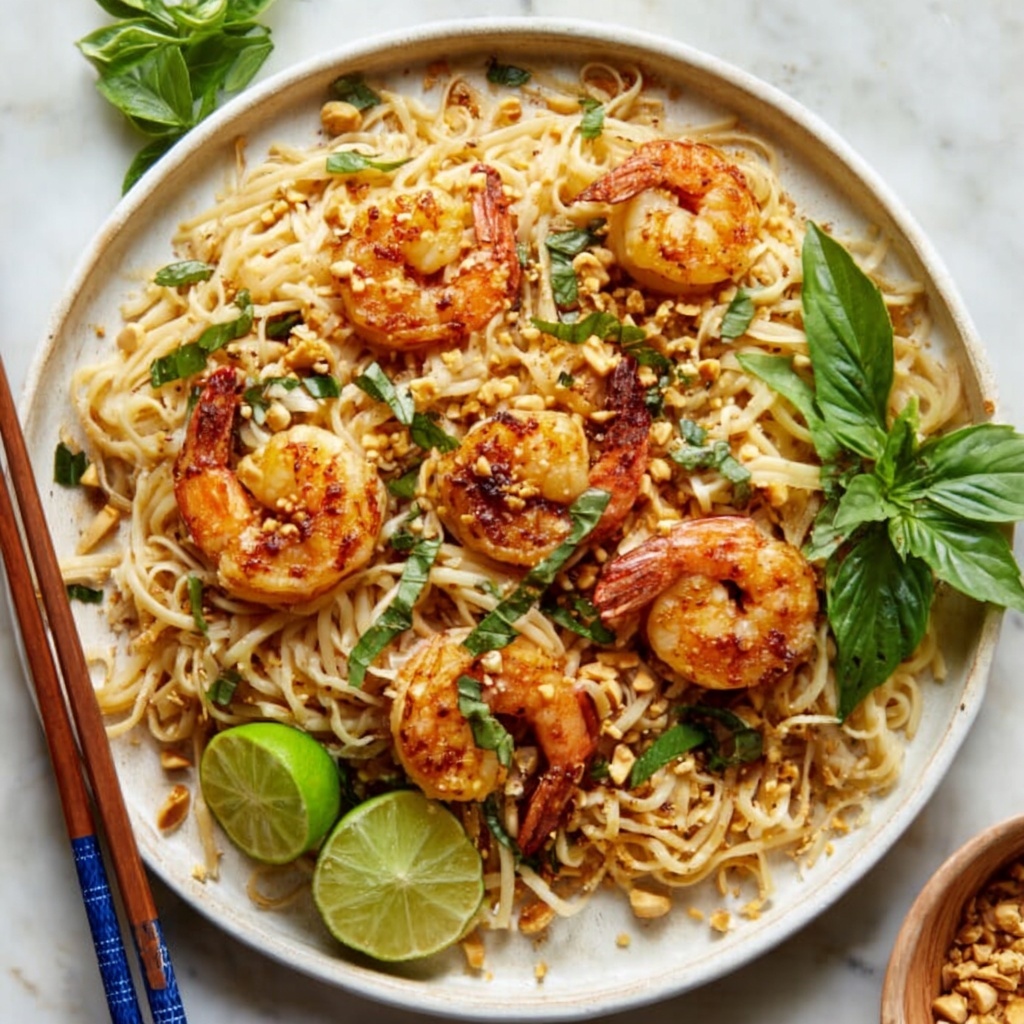
Garnishes
Adding garnishes like fresh basil leaves, chopped roasted peanuts, extra green onions, and a squeeze of lime juice takes this dish from delicious to unforgettable. These toppings add fresh herbal notes, satisfying crunch, and bright citrus that balance the rich garlic butter shrimp and noodles.
Side Dishes
This pad thai pairs beautifully with light, refreshing sides like a simple cucumber salad with a tangy vinaigrette or steamed jasmine rice for those wanting extra carbs. A crisp green papaya salad can also add a zesty contrast, keeping your meal balanced and lively.
Creative Ways to Present
Presentation is part of the fun! Try serving your Garlic Butter Shrimp Pad Thai Recipe in a vibrant, shallow bowl with the garnishes artfully scattered on top. For a shared meal, place the noodles on a large platter surrounded by lime wedges and basil sprigs. This invites everyone to dig in and customize the dish to their liking.
Make Ahead and Storage
Storing Leftovers
Place leftover Garlic Butter Shrimp Pad Thai in an airtight container and store it in the fridge for up to 2 days. Because the noodles soak up sauce over time, it’s best to enjoy leftovers quickly before the texture becomes too soft.
Freezing
While it’s possible to freeze this dish, shrimp and delicate vegetables can lose their texture once thawed. If you plan to freeze, try freezing the noodles and sauce separately from the cooked shrimp and vegetables, then combine and reheat gently for better flavor and texture.
Reheating
Reheat leftovers gently in a skillet over medium heat, adding a splash of water or broth to loosen the sauce if it has thickened. Avoid microwaving as it can make the noodles gummy. Stir frequently until warmed through, and add fresh garnishes to revive the flavors.
FAQs
Can I use frozen shrimp for the Garlic Butter Shrimp Pad Thai Recipe?
Absolutely! Just be sure to thaw the shrimp completely and pat them dry before cooking to ensure they sear nicely and don’t release too much water into the pan.
What if I can’t find wide rice noodles?
You can substitute with flat rice noodles of a similar width or even try linguine as a last resort, although the texture and feel won’t be quite the same as classic Pad Thai.
Is there a vegetarian version of this Garlic Butter Shrimp Pad Thai Recipe?
Yes! Swap the shrimp for tofu and use soy sauce instead of fish sauce, or choose a vegetarian fish sauce alternative. The garlic butter sauce still shines beautifully with these tweaks.
How spicy is this recipe?
The heat level is flexible—you can adjust the amount of chili flakes according to your tolerance, starting mild and adding more as you go. The butter smooths out the spice nicely.
Can I make this recipe gluten-free?
Definitely! Use gluten-free tamari in place of soy sauce, and verify your fish sauce is gluten-free. Rice noodles are naturally gluten-free, making this dish a great option for gluten-sensitive eaters.
Final Thoughts
Once you try this Garlic Butter Shrimp Pad Thai Recipe, you’ll see why it’s a beloved dish that strikes the perfect balance of comfort and excitement. The blend of garlicky butter shrimp with tangy, sweet-salty noodles brings a little celebration to every meal. Give it a go—you might just find your new favorite dinner to share with family and friends!
Print
Garlic Butter Shrimp Pad Thai Recipe
- Prep Time: 10 minutes
- Cook Time: 20 minutes
- Total Time: 30 minutes
- Yield: 4 servings
- Category: Main Course
- Method: Stovetop
- Cuisine: Thai
Description
This Garlic Butter Shrimp Pad Thai is a vibrant and flavorful twist on the classic Thai dish, combining tender wide rice noodles with succulent shrimp seared in garlic butter. Enhanced by a savory, tangy, and slightly sweet sauce made from soy, fish sauce, vinegar, and honey, it is finished with fresh bean sprouts, green onions, roasted peanuts, and fresh basil for a perfect balance of textures and tastes. Ready in just 30 minutes, this dish is a quick and delicious meal perfect for any weeknight dinner.
Ingredients
Noodles
- 8 ounces wide rice noodles
Sauce
- 3–4 tablespoons low sodium soy sauce, adjusting to taste
- 2 tablespoons fish sauce
- 2 tablespoons white vinegar
- 3 tablespoons honey or maple syrup
- 1/4 to 1 teaspoon chili flakes, plus more for serving
Shrimp and Cooking Fats
- 1 pound raw jumbo shrimp, peeled and deveined
- 3 tablespoons peanut oil or extra virgin olive oil
- 3 tablespoons salted butter
- 4–6 cloves garlic, finely chopped or grated
Eggs and Vegetables
- 2–3 eggs, beaten
- 2 cups bean sprouts or chopped baby bok choy (or other greens)
- 4 green onions, chopped, plus more for serving
Garnishes
- 1/4 cup roasted peanuts, chopped
- Thai or regular basil leaves, for serving
- Lime wedges, for serving
Instructions
- Cook the Noodles: Prepare the rice noodles according to the package directions, typically by soaking or boiling until tender. Once cooked, drain the noodles well and set them aside to use later.
- Make the Sauce: In a small bowl, whisk together the soy sauce, fish sauce, white vinegar, honey or maple syrup, and chili flakes. Taste the sauce and adjust the soy sauce and chili flakes according to your preferred saltiness and heat level.
- Cook the Shrimp: Heat the peanut oil or olive oil in a large skillet over medium heat. When hot, add the peeled and deveined shrimp. Sear the shrimp on each side until they turn pink and opaque, about 2-3 minutes total. Stir in the butter, garlic, a pinch of chili flakes, and black pepper, then cook while stirring occasionally until the garlic turns golden brown and fragrant, about 1-2 more minutes.
- Combine Noodles and Sauce: Add the cooked rice noodles and the prepared sauce into the skillet with the shrimp. Toss everything together thoroughly to coat the noodles evenly with the sauce. Allow it to heat through for about 1 minute to let the noodles soak up the flavors.
- Add Eggs: Push the noodle and shrimp mixture to one side of the skillet. Pour the beaten eggs into the empty side and let them cook undisturbed until the edges begin to set, about 1 minute. Then gently scramble the eggs and fold them into the noodles, mixing everything evenly.
- Finish with Vegetables: Remove the skillet from heat. Stir in the bean sprouts and chopped green onions, combining all ingredients until evenly distributed.
- Serve and Garnish: Divide the garlic butter shrimp pad thai among plates. Garnish with additional chopped green onions, chopped roasted peanuts, fresh basil leaves, extra chili flakes to taste, and a generous squeeze of fresh lime juice for brightness. Serve immediately for the best flavor and texture.
Notes
- You can adjust the level of heat by varying the amount of chili flakes in both the sauce and the shrimp cooking step.
- For a gluten-free version, ensure the soy sauce is gluten-free or substitute with tamari.
- Using fresh shrimp is recommended for the best texture and flavor, but frozen shrimp can be used if thawed properly.
- If you prefer a vegetarian version, replace shrimp with tofu and use vegetarian fish sauce alternatives.
- Serve with extra lime wedges on the side as it adds a wonderful acidity that balances the richness.
- You can swap the bean sprouts for baby bok choy or other leafy greens for varied texture.