
“`html
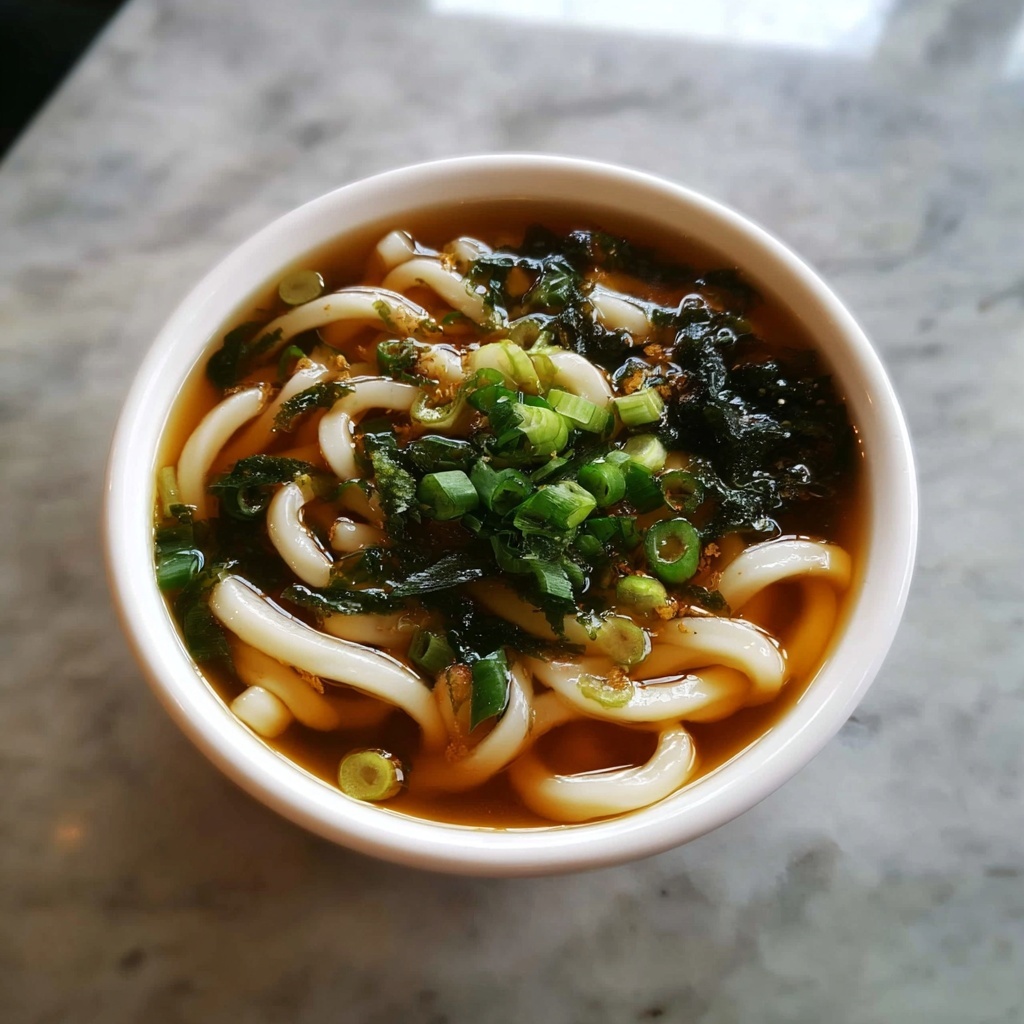
If you are craving something cozy, flavorful, and deeply satisfying, this Japanese Udon Soup Recipe is an absolute must-try. Featuring chewy udon noodles swimming in a delicate yet rich broth crafted from dashi kombu, soy sauce, mirin, and a hint of sweetness, this soup is the perfect harmony of umami and comforting warmth. Every spoonful invites you to experience authentic Japanese flavors in a bowl that’s easy to prepare and incredibly nourishing. Whether you’re new to udon or a longtime fan, this recipe will quickly become a favorite go-to whenever you want a quick, soul-soothing meal.
Ingredients You’ll Need
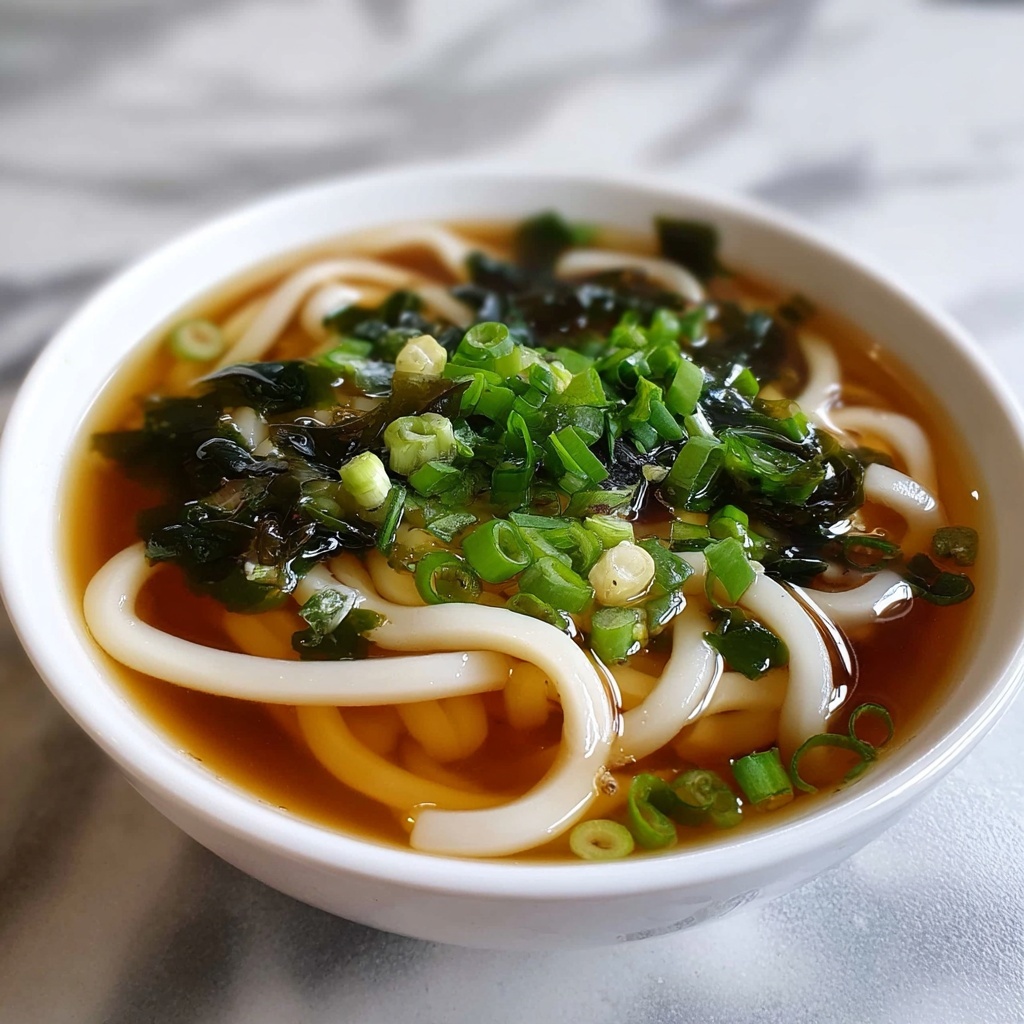
The beauty of this Japanese Udon Soup Recipe lies in its simplicity and how each ingredient plays a crucial role in building the authentic taste, texture, and comforting color of the final dish. These pantry staples come together to create a broth bursting with umami and noodles with the perfect gentle bounce.
- 4 cups water: The base of your broth, it allows the dashi kombu to release its savory essence.
- 1 piece dashi kombu (dried kelp) (about 4 inches): This seaweed provides the deep umami flavor that defines the soup’s soul.
- 2 tbsp soy sauce: Adds saltiness and a rich, savory depth to the broth.
- 1 tbsp mirin: A sweet rice wine that balances the saltiness with a gentle sweetness and a glossy finish.
- 1 tsp sugar: Enhances the flavors and rounds out the seasoning perfectly.
- 200 g udon noodles (fresh or dried): Thick, chewy noodles that bring satisfying texture to every bite.
- 2 green onions (thinly sliced): Provides a fresh, sharp contrast that brightens the whole dish.
- 1 sheet nori (cut into strips): Adds a hint of oceanic flavor and a beautiful color contrast on top.
How to Make Japanese Udon Soup Recipe
Step 1: Soak the Dashi Kombu
Start by placing the piece of dried kelp (dashi kombu) into 4 cups of water in a medium-sized pot. Let it soak for about 10 minutes. This soaking step lets the kombu release its natural umami essence slowly and gently, creating the fundamental flavor base for the broth without any bitterness.
Step 2: Heat the Broth
Next, place the pot over medium heat and warm the kombu water slowly until it is just about to boil. Be careful not to let it actually boil, as boiling can cause the kombu to develop a bitter taste. Once the water approaches a simmer, remove the kombu from the pot. This careful handling ensures a clear, beautifully flavored broth that will complement the noodles perfectly.
Step 3: Season the Broth
To the kombu-infused broth, add 2 tablespoons of soy sauce, 1 tablespoon of mirin, and 1 teaspoon of sugar. Stir well until the sugar dissolves. Let the broth simmer gently for about 5 minutes. This seasoning step layers in savory, salty, and subtly sweet notes that are essential to authentic udon soup.
Step 4: Cook the Udon Noodles
While the broth simmers, cook the udon noodles according to the package instructions. Whether fresh or dried, the noodles need to be cooked until tender yet still pleasantly chewy. After cooking, drain them carefully and rinse briefly under cold water to stop any further cooking and wash off excess starch.
Step 5: Assemble the Soup
Divide the cooked noodles evenly between two warm serving bowls. Pour the hot, seasoned broth over the noodles, allowing the comforting heat to warm the bowl and soak the noodles in flavor.
Step 6: Add the Finishing Touches
Top each bowl with a generous sprinkle of thinly sliced green onions and strips of nori. These garnishes add a fresh bite and delicate ocean notes, rounding out the dish both visually and in flavor. Serve immediately for the best experience.
How to Serve Japanese Udon Soup Recipe
Garnishes
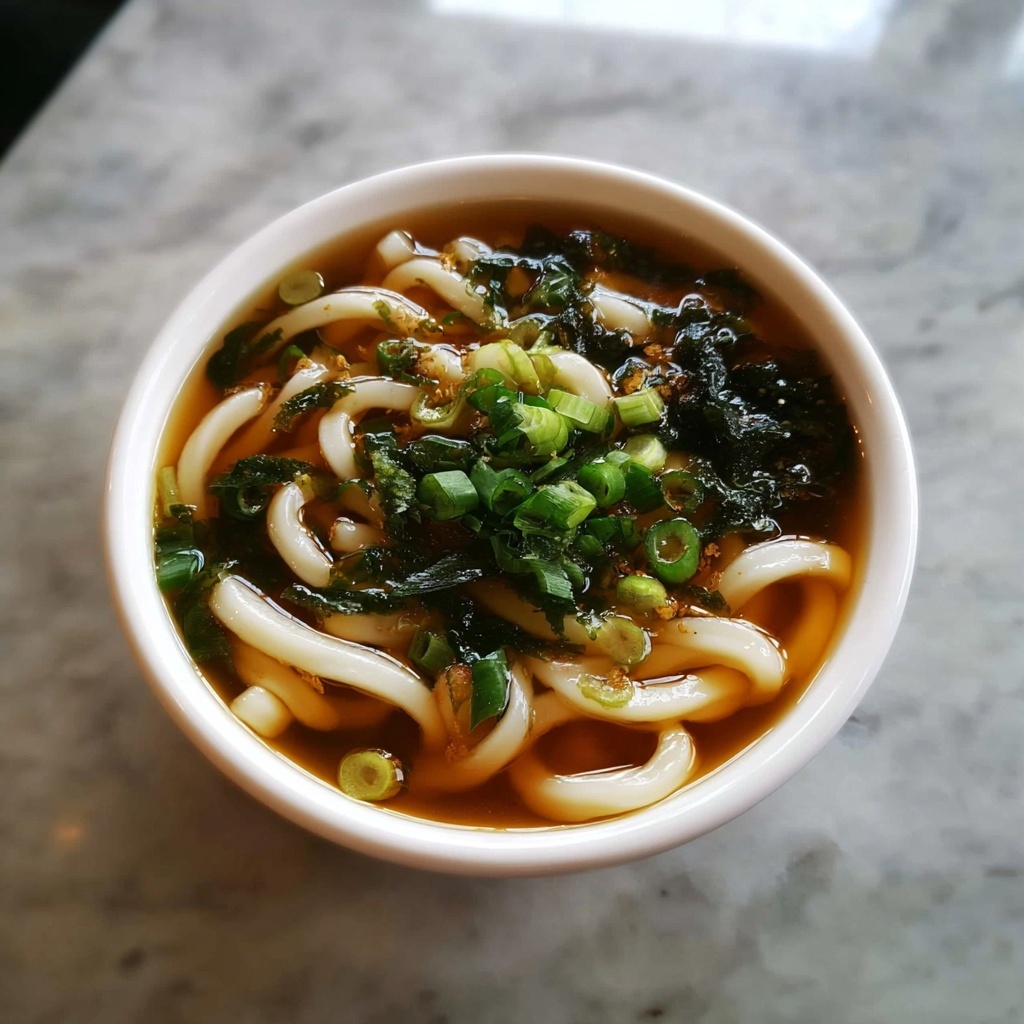
Green onions and nori strips are classic garnishes that add vibrant color and contrasting textures. You can also mix things up by adding a soft boiled egg or a few slices of fish cake for extra richness and interest. The subtle snap of the green onion is a perfect foil to the soothing broth, while the nori provides a lovely umami punch with every bite.
Side Dishes
This Japanese Udon Soup Recipe pairs wonderfully with simple sides like pickled vegetables, steamed edamame, or a light cucumber salad dressed with rice vinegar. These sides help balance the warmth and heartiness of the soup with refreshing and crisp notes, creating a well-rounded meal full of complementary flavors and textures.
Creative Ways to Present
For a fun twist, try serving the udon soup in rustic wooden bowls or in individual hot stone bowls to keep the soup piping hot longer. You can also personalize each bowl with toppings like toasted sesame seeds, thinly sliced shiitake mushrooms, or a drizzle of chili oil for an exciting flavor kick. Presentation adds a layer of delight that makes enjoying your Japanese Udon Soup Recipe even more memorable.
Make Ahead and Storage
Storing Leftovers
After enjoying your udon soup, you can store leftovers in an airtight container in the refrigerator for up to two days. Keep the broth separate from the noodles if possible to prevent the noodles from becoming overly soggy. This way, when you’re ready to eat again, you can enjoy the texture of freshly warmed noodles with the flavorful broth.
Freezing
Freezing the whole soup is not recommended because udon noodles tend to become mushy after thawing. However, you can freeze the broth alone in a separate container for up to one month. When you want a quick meal later, simply thaw the broth and cook fresh udon noodles to maintain the best taste and texture.
Reheating
To reheat your leftover Japanese Udon Soup Recipe, gently warm the broth on the stove until steaming. Add freshly cooked noodles right before serving to keep the noodles bouncy and fresh. Avoid microwaving the soup with noodles inside for long periods, as it can affect the texture negatively.
FAQs
Can I use instant dashi powder instead of kombu?
Yes! Instant dashi powder is a convenient alternative that still provides good umami flavor, though using kombu results in a more delicate, authentic broth. Adjust the quantity to taste when substituting.
Can I add meat or vegetables to this udon soup?
Absolutely. While this recipe is traditionally simple, feel free to add cooked chicken, tofu, mushrooms, or spinach to make it heartier and introduce new textures.
What if I can’t find fresh udon noodles?
Dry udon noodles work just as well. Just follow the package cooking instructions carefully to achieve the perfect chewy texture.
Can this soup be made vegan?
Yes, this recipe is naturally vegan if you choose appropriate soy sauce and mirin. Just ensure that your dashi kombu is not mixed with fish-based ingredients.
How spicy is this Japanese Udon Soup Recipe?
This soup is mild and comforting. If you prefer some heat, you can easily add chili oil or sliced fresh chilies as a topping.
Final Thoughts
This Japanese Udon Soup Recipe is a wonderful way to enjoy authentic flavors with minimal fuss and maximum comfort. Its simple ingredients come together in a beautiful balance of taste and texture that warms both the body and soul. I hope you will give this recipe a try soon, whether as a quick lunch or a soothing dinner—you might just find that it becomes one of your favorite cozy meals to return to again and again!
“`
Print
Japanese Udon Soup Recipe
- Prep Time: 10 minutes
- Cook Time: 15 minutes
- Total Time: 25 minutes
- Yield: 2 servings
- Category: Soup
- Method: Stovetop
- Cuisine: Japanese
Description
A comforting and traditional Japanese Udon Soup featuring a delicate dashi broth infused with kombu, seasoned with soy sauce, mirin, and sugar, served over tender udon noodles and garnished with fresh green onions and nori strips. Ready in just 25 minutes, this recipe offers a simple yet satisfying meal perfect for any day.
Ingredients
Broth
- 4 cups water
- 1 piece dashi kombu (dried kelp), about 4 inches
- 2 tbsp soy sauce
- 1 tbsp mirin
- 1 tsp sugar
Noodles and Garnishes
- 200 g udon noodles (fresh or dried)
- 2 green onions, thinly sliced
- 1 sheet nori, cut into strips
Instructions
- Prepare the dashi kombu: In a medium pot, soak the dashi kombu in 4 cups of water for 10 minutes to extract flavor gently.
- Heat the broth: Place the pot over medium heat and warm until the water is nearly boiling, then carefully remove the kombu to avoid bitterness.
- Season the broth: Add soy sauce, mirin, and sugar to the broth. Stir well and let it simmer gently for 5 minutes to meld the flavors.
- Cook the udon noodles: Prepare the udon noodles according to package instructions, which usually involves boiling them until tender. Drain and rinse the noodles under cold water to stop cooking and remove excess starch.
- Assemble the soup: Divide the cooked noodles evenly between two serving bowls and ladle the hot seasoned broth over them.
- Garnish and serve: Top the soup with thinly sliced green onions and strips of nori. Serve immediately to enjoy the fresh, comforting flavors.
Notes
- For a richer broth, you can add bonito flakes (katsuobushi) after removing the kombu and strain before adding seasoning.
- If using dried udon noodles, cooking times may vary; follow package instructions carefully.
- Mirin can be substituted with a combination of sake and sugar if unavailable.
- Use fresh green onions for the best flavor and texture in garnishing.
- This soup is best served immediately to maintain the noodles’ texture and broth warmth.